

Frenuloplasty is a minor surgical procedure performed to release, repair, or lengthen the frenulum of the penis, which is a small band of tissue connecting the foreskin to the underside of the glans (head) of the penis.
A short or tight frenulum (known as frenulum breve) can cause pain, tearing, or difficulty during sexual activity or foreskin retraction. Frenuloplasty aims to relieve these symptoms while preserving normal penile function.
Why might a frenuloplasty be recommended?
A frenuloplasty may be suggested if you experience any of the following:
- Pain or discomfort during sexual intercourse
- Inability to fully retract the foreskin
- Tearing or bleeding of the frenulum
- Difficulty exposing the head of the penis
- Recurrent frenular injuries or scarring
Causes of a short frenulum
A tight frenulum is commonly congenital (present from birth). Other causes may include:
- Trauma to the frenulum
- Repeated tearing during sexual activity
- Scarring from infection or inflammation
- Diagnosis is typically made through a simple physical examination.
What does the procedure involve?
A frenuloplasty is usually performed as day surgery under local or general anaesthetic.
During the procedure:
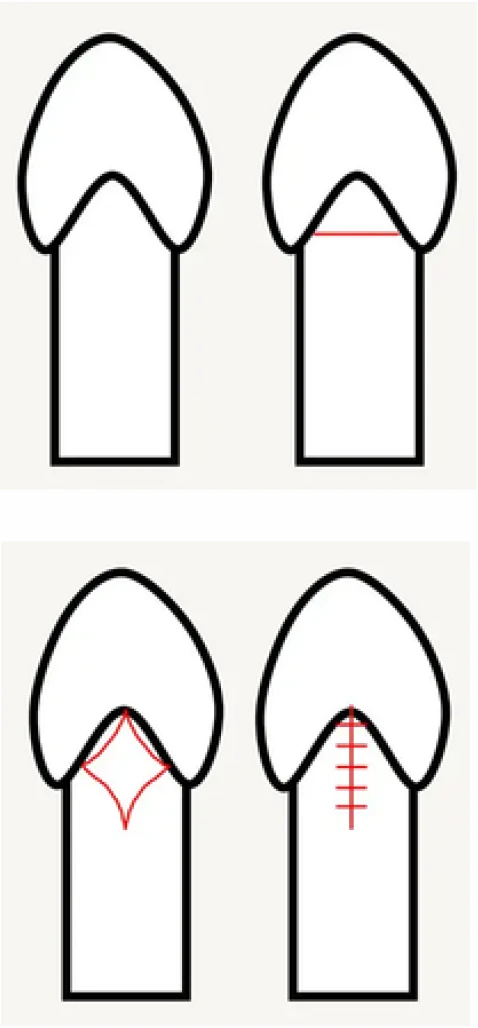
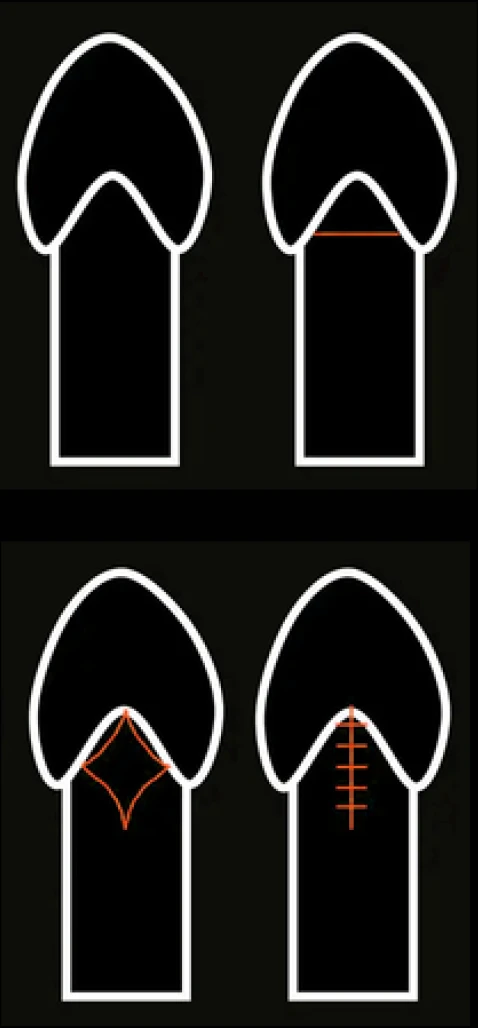
- A small incision is made horizontally across the tight frenulum, shown in the top image
- The tissue is then sutured vertically to lengthen the frenulum as shown in the bottom image (known as a Z-plasty type repair)
- Dissolvable stitches are used and fall away naturally within 2-3 weeks.
The procedure generally takes less than 30 minutes, and most patients go home the same day. In some severe cases, circumcision may be recommended as an alternative if frenuloplasty alone is unlikely to resolve symptoms.
Before your procedure
You will be contacted 1-2 weeks prior to your scheduled procedure with specific fasting instructions and hospital admission details. You will also receive a link to complete your online admission forms.
It is important to advise the rooms if you are taking any blood thinners or any prescribed medications for diabetes or weight loss purposes. The rooms can be contacted on 9329 1197
Following your procedure
Recovery at home
Some swelling, mild discomfort, or spotting of blood is normal. Please keep in mind:
- Pain is typically mild and managed with simple analgesia
- Wear loose-fitting underwear or clothing for the first few days
- Avoid sexual activity (intercourse or masturbation) for 4-6 weeks to prevent tearing while healing
- Showering is permitted; avoid baths, spas, and swimming for 1-2 weeks
- The final appearance will take several weeks to settle
Most patients can resume normal daily activities within a few days.
Possible complications
As with all procedures, there are potential risks. These may include:
Common
- Bleeding - Minor bleeding or spotting is common and usually settles with simple pressure
- Pain or discomfort - Typically mild and well-controlled with simple pain relief
- Scarring - A small scar will form at the surgical site; this generally softens and fades over time
Occasional
- Infection - May cause redness, swelling, discharge, or fever and may require antibiotics
- Persistent pain or sensitivity - Some patients experience discomfort for longer than expected
Rare
- Loss of sensation - Temporary altered sensation of the frenulum or glans; rarely long-lasting
- Difficulty urinating - Swelling may temporarily affect urine flow
- Erectile dysfunction - Extremely uncommon
- Wound dehiscence (wound opening) - May require further treatment
When to seek help
Please contact Professor Lawrentschuk’s rooms at 9329 1197 or attend your nearest Emergency Department if you experience:
- Excessive bleeding
- Fever above 38°C or signs of infection
- Increasing redness, swelling, or discharge
- Inability to urinate
- Severe pain not relieved by medication
Follow-up and monitoring
You will usually have a follow-up appointment 6-8 weeks after your procedure to assess healing and discuss further management if needed. We will contact you to book this in and find a time that best suits your schedule.
If you have any queries, please use the contact details below:
MONDAY to FRDAY 8:30AM–4:00PM
Call the rooms at 9329 1197
AFTER HOURS
Contact Epworth Emergency on 03 9426 6666 or Royal Melbourne Emergency on 03 9342 7000.
You can also page Prof Lawrentschuk on 03 9387 1000.
For appointments and enquiries:
CONSULTING LOCATIONS
Website by: 